
Watches are not just functional accessories—they are precise instruments that combine engineering, craftsmanship, and style. Understanding the difference between battery-powered (quartz) watches and mechanical watches is essential for proper care and maintenance. Knowing when and how to service your watch can save you from costly repairs and ensure it keeps perfect time.
At Movyra Clock Repair, we’ve compiled this detailed guide to help you understand the differences between battery and mechanical watches and how to maintain them for years of reliable performance.
Understanding Battery (Quartz) Watches
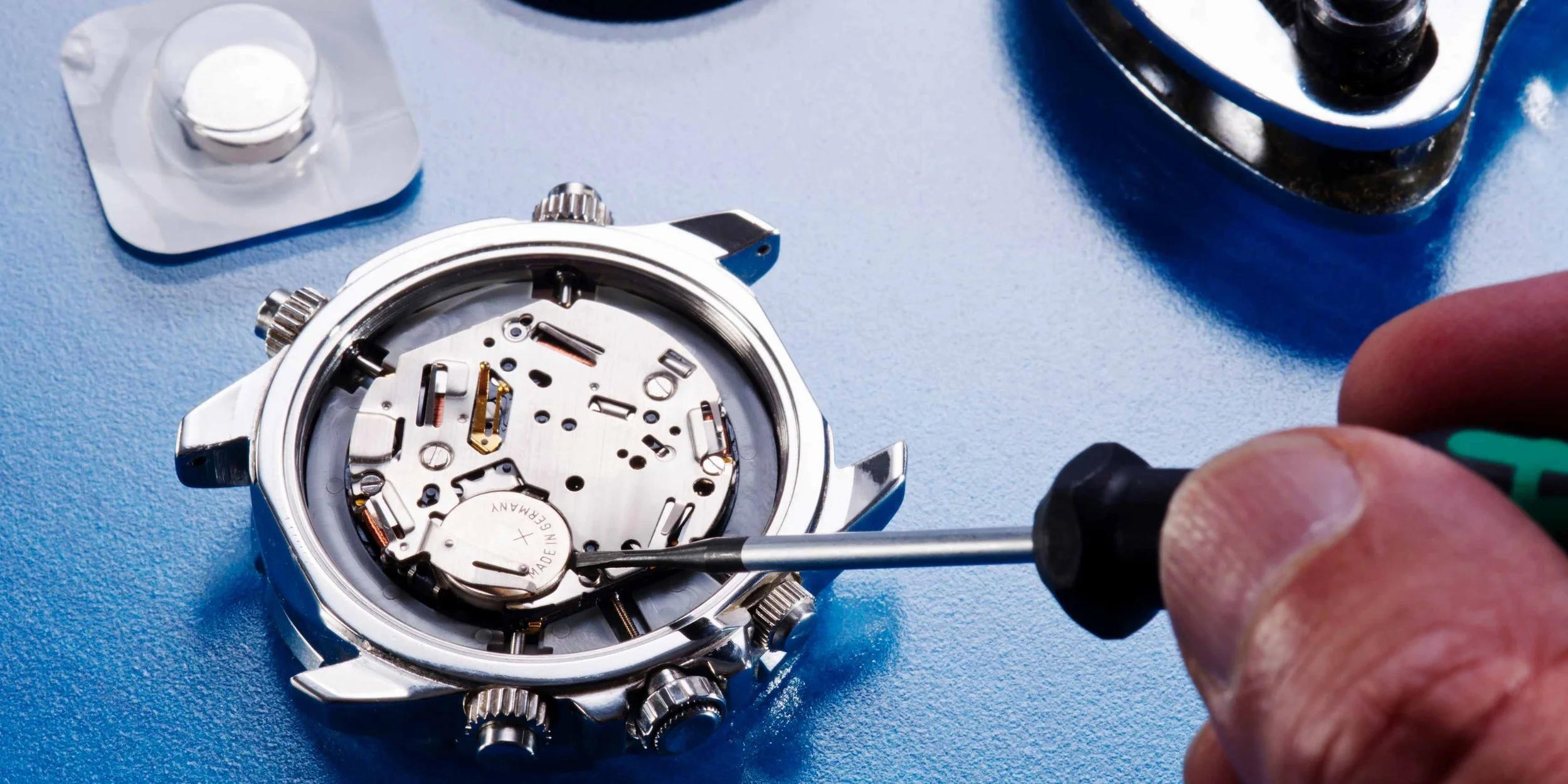
Battery watches, or quartz watches, use a small battery to power a quartz crystal oscillator that regulates timekeeping. They are popular for their accuracy and low maintenance, but they still require regular attention:
Key Features:
- Highly accurate due to quartz regulation
- Low maintenance compared to mechanical watches
- Typically thinner and lighter
When to Service:
- Battery replacement: Every 1–3 years depending on the watch and battery type
- Movement inspection: Even with a new battery, periodic checkups are recommended to ensure gears, hands, and seals are in good condition
- Seal and water resistance checks: Battery changes can affect water resistance; seals should be inspected regularly
Neglecting battery replacement can lead to leakage, corrosion, and damage to the movement, which can be costly to repair.
Understanding Mechanical Watches
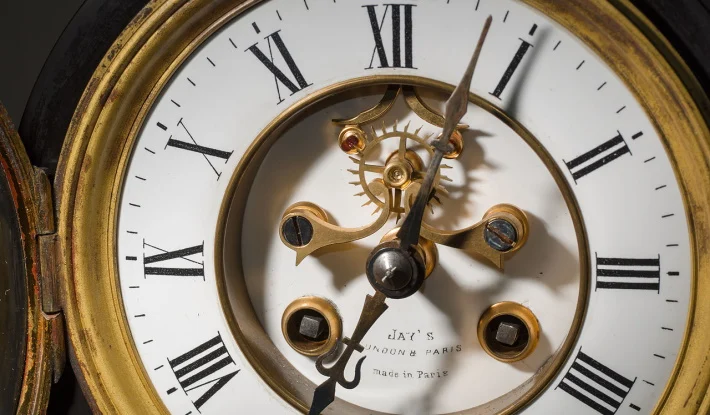
Mechanical watches rely on a complex system of springs, gears, and escapements to keep time. They require manual winding or automatic movement (powered by wrist motion).
Key Features:
- Crafted for durability and longevity with proper care
- Can be fully repaired and maintained for decades
- A favorite among collectors due to their craftsmanship and aesthetic appeal
When to Service:
- Regular servicing: Every 3–5 years is recommended
- Lubrication: Essential to prevent friction between gears and other moving parts
- Accuracy adjustments: Mechanical watches may lose or gain a few seconds per day, which can be corrected during servicing
Mechanical watches are more sensitive to shocks, temperature changes, and magnetic fields, making regular maintenance essential to prevent premature wear.
Key Differences in Maintenance
| Feature | Battery (Quartz) Watches | Mechanical Watches |
|---|---|---|
| Power Source | Battery | Spring mechanism (manual or automatic) |
| Service Interval | 1–3 years (battery) | 3–5 years (full service) |
| Accuracy | Very high | Slightly less; may drift a few seconds/day |
| Complexity | Simple movement | Complex movement with gears and escapements |
| Longevity | Limited by battery & component wear | Can last decades with proper care |
Tips for Maintaining Your Watch
- Keep a service schedule: Track when your battery or mechanical servicing is due.
- Store properly: Avoid extreme temperatures, moisture, and magnetic fields.
- Regular inspection: Check for condensation, irregular ticking, or physical damage.
- Professional servicing: Trust certified watchmakers for repairs or adjustments.
Proper care can dramatically extend the life of both battery and mechanical watches, preserving their value and function.
When to Seek Professional Help
Even if your watch seems fine, certain signs indicate it’s time for professional service:
- Irregular timekeeping or sudden stops
- Water condensation inside the case
- Battery leakage or corrosion
- Difficulty winding or adjusting hands
At Movyra Clock Repair, we handle both battery and mechanical watches, from simple battery replacements to full mechanical overhauls. Our experienced technicians ensure your timepiece operates smoothly and maintains its aesthetic appeal.